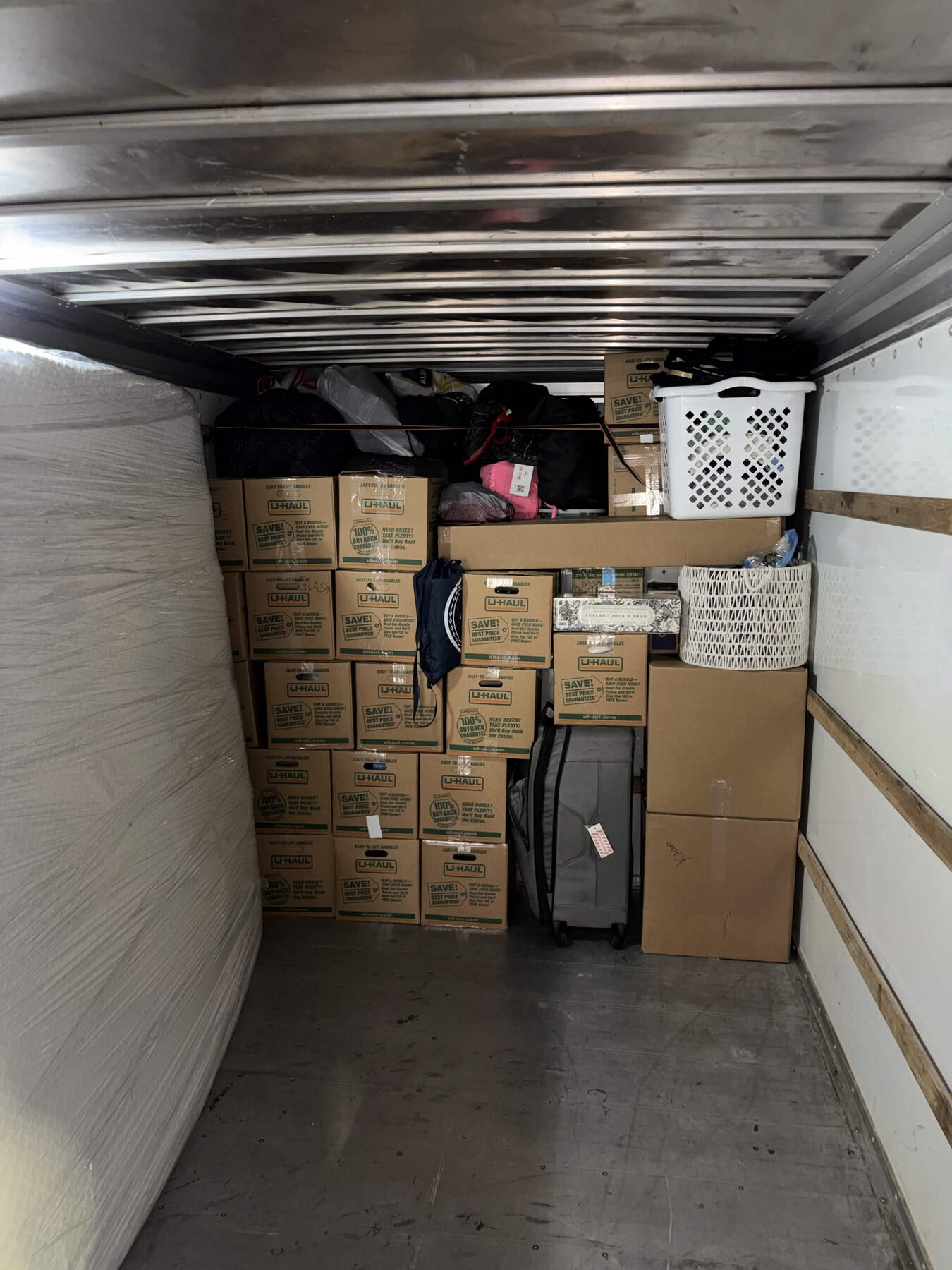
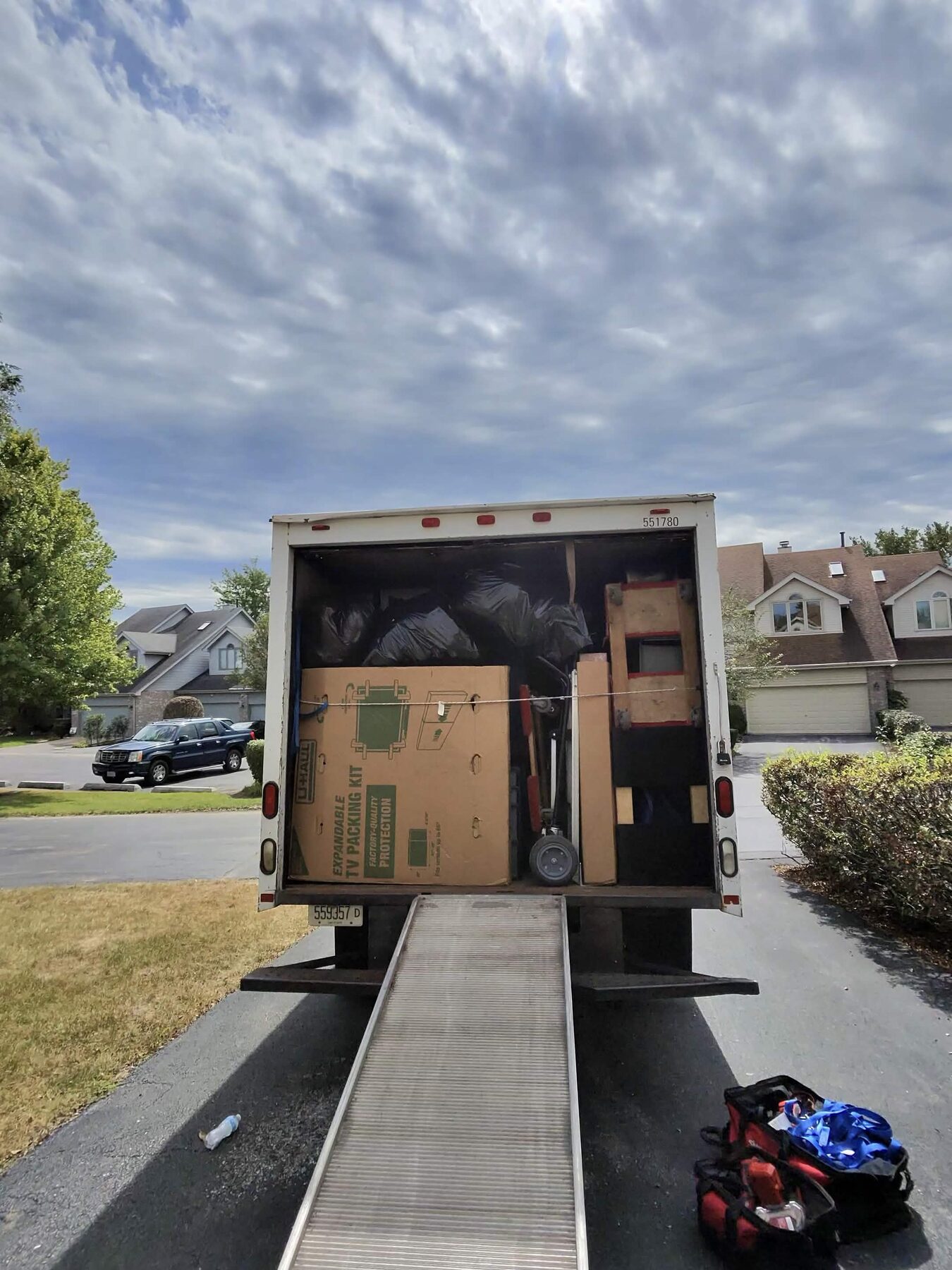
Chicago moves are rarely decided by distance. They are decided by the curb, the stairwell and the calendar. A one-bedroom in Lakeview can take longer than a full bungalow in Ashburn because of a third-floor walk-up and a truck parked half a block away. This guide walks through what to sort out before moving day, whether you are leaving a Logan Square two-flat, heading into a West Loop elevator building or settling into a house in Beverly.
01Start with the curb, not the boxes
The single biggest time cost in the city is the walk between the truck and your door. If the nearest legal spot on a busy Lincoln Park side street is half a block away, or a Lakeview block has no open curb at all, every trip gets longer. Look at your block on a weekday and a weekend. Is there a loading zone, a driveway, a hydrant, a bike lane? Tell us what you see.
The City of Chicago handles temporary no-parking signs for moves through CDOT. Some aldermanic offices, such as the 44th Ward, explain the difference between courtesy signs a resident might put up and enforceable CDOT signs. Even official signs do not guarantee an empty curb; cars can still be there when the truck arrives. Rules and lead times change, so confirm the current requirements with CDOT or your ward office well ahead of your date. Before you schedule, confirm with us who will arrange any required signs, and do not assume they are included in the move.
02Walk-ups, back porches and alley loading
Many Logan Square, Bridgeport and Lakeview buildings have a front stair with a tight turn at the landing and a wooden back porch stair off the alley. Sometimes the back route is easier for a sofa; sometimes the porch is too narrow or the alley is blocked by garbage carts and garage aprons. Measure the tightest turn, not just the door, and send a photo if you can.
Alley loading works well when the alley is clear and the building allows it. It does not work when a neighbor needs garage access at nine in the morning. We will ask about both routes on the estimate call so the crew size matches the number of flights and the length of the carry.
03If your lease turns over May 1 or October 1
A lot of Chicago leases happen to end on the first of May or the first of October, and when yours does, you are competing with neighbors for the same elevator slots, the same curb and the same morning hours. Book early, and ask your landlord whether you can move a day before or after the first. Even a half-day shift often means an empty hallway.
If you are stuck with the exact first, consider splitting the move: furniture one day, final boxes and the bed the next. Our labor-only help is useful here if you are driving your own rental truck and just need muscle at one end.
04North Side, Loop and West Loop buildings
In West Loop lofts and Loop high-rises, the building manager usually sets the terms: a reserved freight elevator, a move window, a loading dock with a height limit, sometimes a certificate request. Ask the management office for its written move-in rules and share them with us. In Lakeview and Lincoln Park courtyard buildings, the question is more often which entrance, which stair and how far the truck sits.
05Southwest neighborhoods closer to home
Our Evergreen Park base sits right next to Beverly, Mount Greenwood and Morgan Park, where brick houses, basements and driveways change the plan. Garfield Ridge, Clearing and Ashburn bring bungalows and raised ranches with side doors and short front stoops, and Hyde Park mixes large vintage apartments with campus-area walk-ups. Every block is different, so we plan the house, not the neighborhood label.